
insulated glazing
Insulated glazing, often referred to as double glazing or triple glazing, is a modern marvel that combines unparalleled energy efficiency with superior thermal and acoustic insulation. In recent years, the demand for insulated glazing has surged, as homeowners and businesses strive to reduce energy consumption and create more comfortable environments. This article delves into the intricate world of insulated glazing, examining its benefits, the science behind its effectiveness, and the reasons why it stands as a cornerstone of modern architectural design. At the heart of insulated glazing lies a fundamental principle the creation of an effective barrier to heat and sound transfer. Insulated glass units (IGUs) typically consist of two or more glass panes separated by a space, which is often filled with an inert gas such as argon or krypton. This design significantly reduces heat exchange and improves sound dampening capabilities. The science is straightforward yet effective; the layers of glass and the intervening gas layer hinder the transfer of heat, keeping interiors warm in winter and cool in summer. From a professional perspective, the choice of gas used in the spacers can greatly influence the unit's efficiency. Argon, widely used due to its affordability and efficiency, enhances thermal performance without adding significant cost. Krypton, though more expensive, provides even better insulation, making it the preferred choice for high-end projects where energy efficiency is paramount. Expert installation also plays a crucial role in maximizing the benefits of insulated glazing. Ensuring a tight seal and using high-quality materials prevents gas leakage and maintains optimal performance over the unit's lifecycle. In terms of sustainability, insulated glazing is a considerable asset. By reducing the need for artificial heating and cooling, buildings with IGUs significantly cut down on energy consumption, resulting in lower utility bills and a smaller carbon footprint. This aligns with global efforts to create sustainable cities and mitigate the effects of climate change. From an authoritative standpoint, many governments offer incentives for installing energy-saving technologies, making insulated glazing not just a smart environmental choice, but a financially savvy one as well. The acoustic benefits of insulated glazing cannot be understated. For buildings located in noisy urban areas or near major roads, insulated glazing acts as a sound barrier, creating quieter, more peaceful indoor environments. This is particularly beneficial for schools, hospitals, and residential buildings, where noise reduction is closely linked to improved concentration, recovery, and overall well-being. insulated glazing From a trustworthy source's viewpoint, the longevity of insulated glazing is notable. High-quality IGUs can last for decades without losing their efficiency . This durability is because of advancements in manufacturing techniques and materials, which have been rigorously tested to withstand environmental stresses. Many manufacturers also offer substantial warranties, further underlining their confidence in the product's reliability and longevity. The adaptability of insulated glazing is another major point of consideration. It can be customized with various tints, coatings, and lamination to meet specific needs, whether it’s for enhanced UV protection, privacy, or aesthetics. This versatility makes it an ideal choice for both residential and commercial buildings across different climates and architectural styles. By consulting with seasoned professionals, customers can tailor insulated glazing solutions that meet their unique energy performance and design goals. For those concerned about the initial investment, it is important to consider the long-term savings and value addition that insulated glazing provides. While the upfront cost may be higher than traditional glass panes, the return on investment is achieved through energy savings, increased property value, and improved living conditions. Moreover, as energy prices continue to rise, the financial benefits of reduced consumption will become even more pronounced. In summary, insulated glazing is a crucial element in modern building design, offering significant advantages in energy efficiency, noise reduction, and sustainability. Its effectiveness is backed by scientific principles, expert endorsements, and a track record of reliability. As the world continues to lean towards green building practices, insulated glazing stands out as a technology that not only meets today’s demands but anticipates future ones, making it an indispensable asset in the pursuit of energy-efficient and environmentally friendly architecture.

-
sandblasted privacy glass
sandblasted privacy glass
View Details -
reflective tinted glass
reflective tinted glass
View Details -
glass mirror print design
glass mirror print design
View Details -
oval lighted vanity mirror
oval lighted vanity mirror
View Details -

double pane insulated windows
double pane insulated windows
View Details
Our application
-
 read more
 -
 read more
 -
 read more
 -
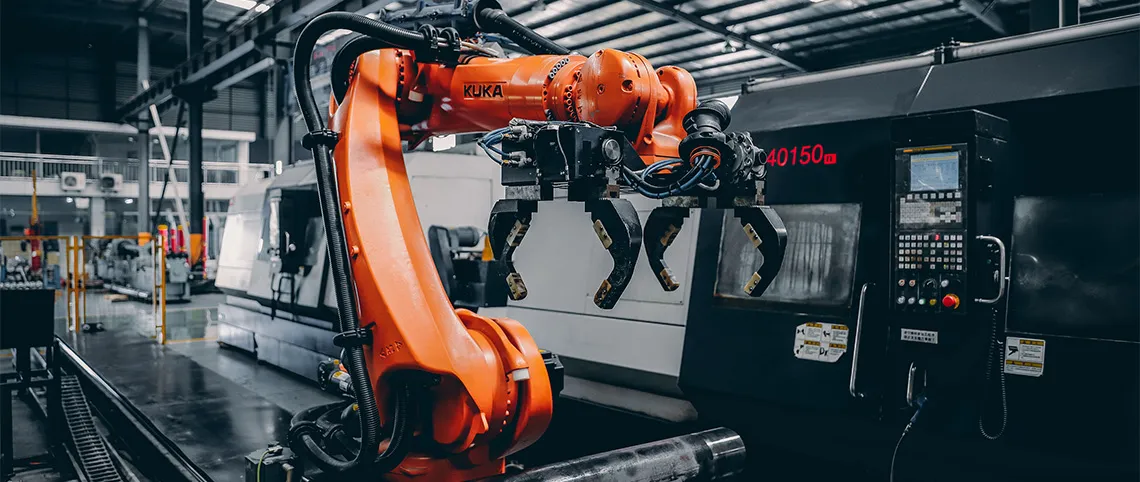 read more
 -
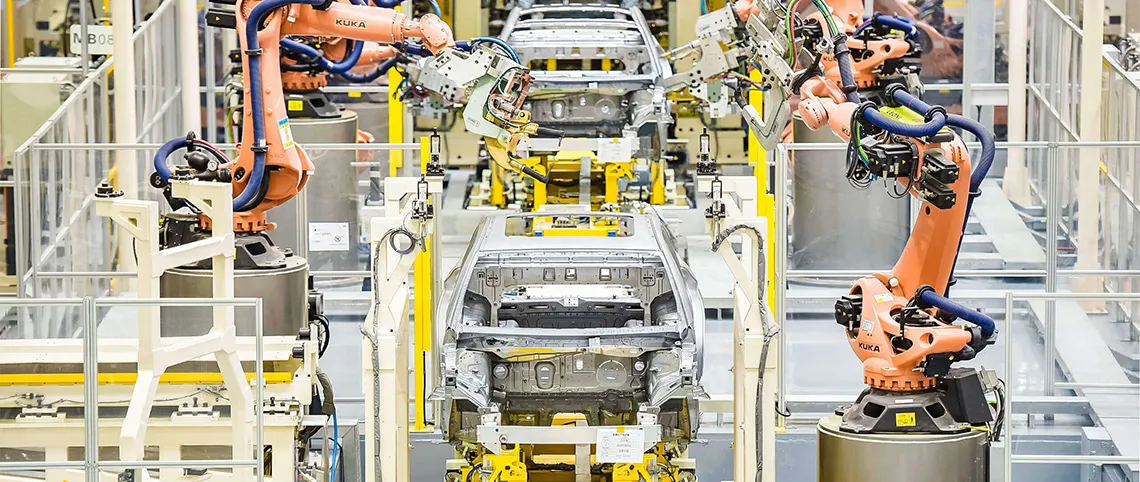 read more
 -
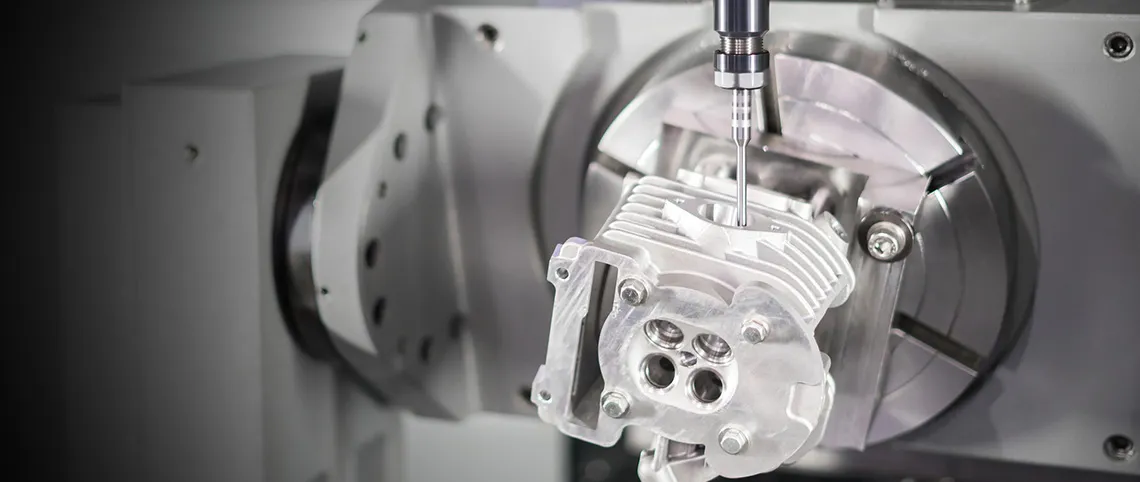 read more
news and information
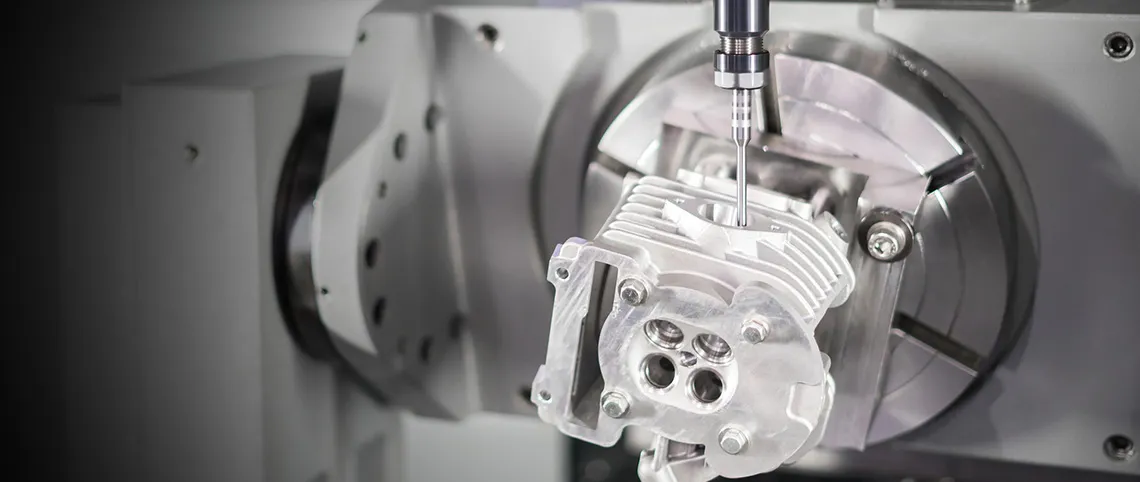
What Are Pin Gauges Used For
A pin gauge is a precision tool designed for pin gauge use to measure the diameter of holes or verif
Water Hose Control Valve for Efficient Irrigation and Gardening Solutions
Understanding the Water Hose Valve A Key Component for Efficient Water Management When it comes to g
Water Shutoff Valve Operation and Maintenance Guide for Homeowners and Professionals
Understanding Water Valve Shutoff Importance and Procedures Water valve shutoff is a critical compon